
CBSA Stamped Your Passport With a 30-Day Limit? Here's What You Can Do
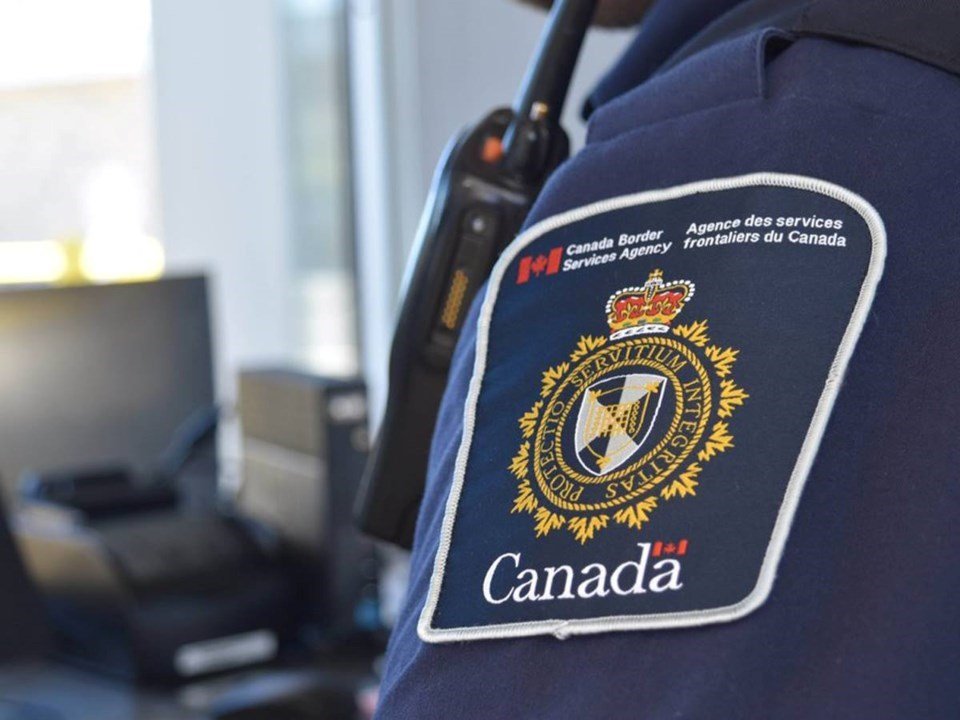
You arrived in Canada with a valid visitor visa, expecting to stay for up to six months. But at the airport or land border, the Canada Border Services Agency (CBSA) officer stamped your passport and wrote a date just 30 days away.
Now you’re wondering: is that legal, why did it happen, and what can you do about it?
The short answer: yes, the officer has the authority to do this – and yes, you may be able to extend your stay by applying for a visitor record from inside Canada.
Here’s what you need to know.
How long can you actually stay in Canada on a visitor visa?
Most visitors can stay in Canada for up to six months. However, the six-month period is a default – not a guarantee.
When you arrive at a port of entry, the border services officer decides both whether you can enter Canada and how long you can stay.
If the officer allows you to stay for less (or more) than six months, they will stamp your passport and write the date by which you must leave.
That handwritten date – not your visa’s expiry date – controls your authorized stay.
If your passport isn’t stamped at all, you can generally stay for six months from the day you entered, or until your passport or biometrics expire – whichever comes first.
This is one of the most common misconceptions we see: a visitor visa (even a 10-year multiple-entry visa) is a travel document that lets you seek entry to Canada. It doesn’t determine how long you can remain once you’re here.
Why would a CBSA officer limit your stay to 30 days?
Under section 183(2) of the Immigration and Refugee Protection Regulations, the authorized period of stay is six months, or any other period fixed by an officer, based on factors such as:
Your means of financial support while in Canada;
The period of stay you actually requested;
The purpose of your visit; and
Your overall circumstances at the time of entry.
In practice, a 30-day stamp often reflects something specific in your entry interview. Common triggers include:
You told the officer you were coming for a short trip, such as a wedding or a brief family visit;
Your return ticket showed a departure date within a few weeks;
The officer had concerns about your funds, your ties to your home country, or your intention to leave Canada at the end of your stay;
Your travel or immigration history raised questions, such as a previous overstay or lengthy prior visits; or
Your passport was due to expire soon.
A shortened stay is not a punishment, and it doesn’t mean you did anything wrong. But the date in your passport is legally binding and overstaying it – even unintentionally – can jeopardize your status and future applications.
What should you do if you need more time in Canada?
If your plans genuinely require a longer stay, you can apply to extend your status by applying for a visitor record from inside Canada.
A visitor record is a document issued by Immigration, Refugees and Citizenship Canada (IRCC) that authorizes you to remain in Canada beyond your current expiry date.
Two timing points matter here:
You must apply before your current authorized stay expires – in this scenario, before the 30-day stamped date; and
IRCC recommends applying at least 30 days before your status expires, which means that with a 30-day stamp, you should realistically apply as soon as possible after entry.
If you apply before your status expires, you can generally remain in Canada under maintained status (formerly called “implied status”) while IRCC processes your application – even if a decision comes after your stamped date passes.
What supporting evidence strengthens a visitor record application?
An officer already limited your stay once, so your extension application needs to directly address the likely concerns. Strong applications typically include:
A letter of explanation setting out why you need more time and why you didn’t request it at the border;
Proof of funds, such as bank statements, or a letter from a host confirming accommodation and support;
Evidence of ties to your home country, such as employment letters, property ownership, or family responsibilities;
Documents supporting your purpose, such as a relative’s medical records, event details, or an itinerary; and
A copy of your return ticket or a clear plan for departure.
Keep in mind that a visitor record allows you to stay longer, but it’s not an entry document. If you leave Canada, you will still need a valid visitor visa or eTA to return.
What if your stamped date has already passed?
If you missed the deadline, you may be able to apply to restore your visitor status within 90 days of losing it.
Restoration is discretionary and time-sensitive, so speak with an immigration professional right away.
Get advice before the clock runs out
A 30-day stamp leaves very little room for error.
If a CBSA officer has limited your stay and you need more time in Canada, our team at Taylor Mergui Law Group can assess your situation, prepare a well-documented visitor record application, and protect your status. Book a consultation with us today to see how we can assist you.