
Involved in a Rideshare Accident? Here’s what you Need to Know
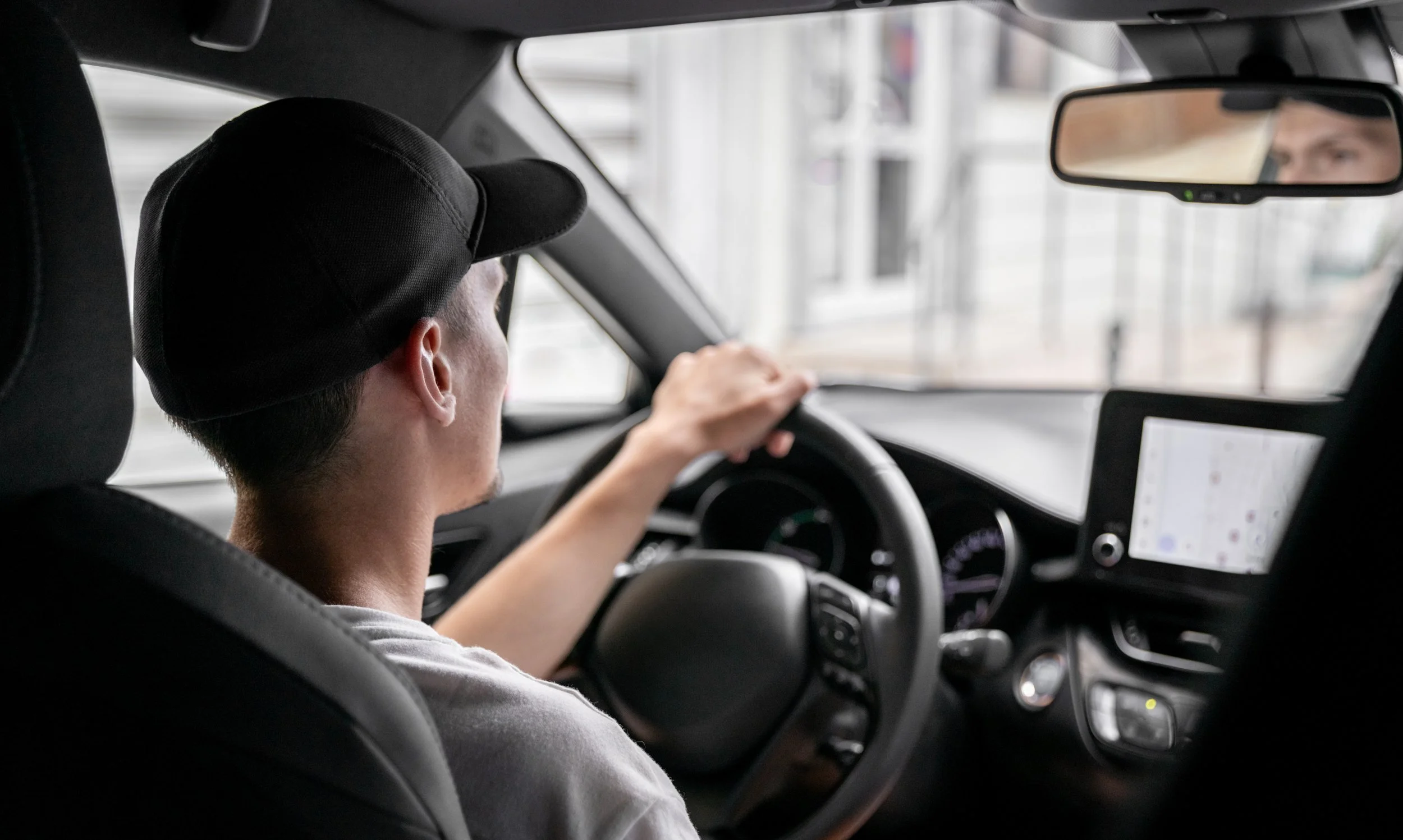
Involved in a Rideshare Accident in Toronto?
If you were hurt in a collision involving an Uber, Lyft, Hopp, or another rideshare vehicle in Toronto, you are far from alone. Ridesharing is now a routine part of daily transportation across the city. When an accident happens, however, determining who is responsible and which insurance policy applies can quickly become unclear.
Over the past decade, rideshare services have expanded rapidly throughout Toronto. The City regulates these platforms as “private transportation companies” under its Vehicle-for-Hire Bylaw, while Ontario has authorized specialized commercial fleet insurance policies for rideshare operators. These policies provide different levels of coverage depending on whether a driver is logged into the app, waiting for a ride, travelling to pick up a passenger, or actively transporting riders.
This guide is designed to help injured individuals understand how rideshare accident claims work in practice. Whether you were a passenger, another driver, a cyclist, or a pedestrian, the actions you take shortly after a crash can play an important role in protecting your health and your legal rights.
If you would like advice tailored to your situation, you can speak with a Toronto car accident lawyer through a free consultation to learn more about your options.
Why Rideshare Accidents Are Treated Differently
Although rideshare collisions are still considered motor vehicle accidents under Ontario law, they are often more complex than ordinary car crashes. Globally, rideshare platforms report millions of trips each day, and as usage has increased, so has the number of reported collisions.
One key difference is that more than one insurance policy may be involved. A rideshare driver may be covered by their personal auto insurer, the rideshare company’s commercial fleet policy, or both. Which policy applies depends largely on the driver’s status within the app at the time of the accident.
Coverage is typically divided into different “phases.” Once a driver logs into the app and makes themselves available, a commercial policy with substantial third-party liability coverage usually becomes active. That coverage often increases once a trip is accepted and remains in place until the passenger exits the vehicle and the trip ends.
Municipal rules can also influence a claim. Toronto’s Vehicle-for-Hire Bylaw sets standards for insurance, vehicle maintenance, driver conduct, and other operational requirements. In certain cases, non-compliance with these rules may be relevant when liability is assessed.
Because rideshare claims sit at the intersection of municipal regulation, Ontario’s no-fault Accident Benefits system, and commercial insurance contracts, they often require close review of app data, timelines, and policy wording.
What to Do After a Rideshare Accident in Toronto
If you are physically able, taking the following steps after a rideshare accident can help safeguard both your well-being and your potential claim.
Prioritize Safety
Move to a safe area away from traffic if possible. Call 911 if anyone is injured, vehicles are badly damaged, or there are concerns about impaired or dangerous driving. Under Ontario law, collisions involving injuries or significant damage must be reported to police within the required time frame.
Seek Medical Care Promptly
Some injuries are not immediately apparent. Seeing a healthcare professional as soon as possible ensures that symptoms are documented, which can be important when applying for Accident Benefits or pursuing a claim later.
Collect Information at the Scene
If circumstances allow, gather key details such as the driver’s name, contact information, licence plate, and insurance details. If you were using a rideshare app, screenshots showing the trip, driver, time, and route can be helpful. Photographs of vehicle damage, road conditions, traffic controls, and visible injuries, as well as witness contact information, may also be valuable.
Report the Collision Through the App
Most rideshare platforms require accidents to be reported through their app or support system. Provide a brief, factual account without speculating about fault or injuries.
Notify Your Own Insurer
Even passengers may need to apply for Accident Benefits through their own Ontario auto insurer under the statutory priority rules. In most cases, insurers must be notified within seven days of the accident, and completed benefit applications are expected within 30 days of receiving the forms. If you do not have your own policy, coverage may still be available through a household member, the rideshare insurer, or in limited situations, the Motor Vehicle Accident Claims Fund.
Consider Legal Advice Before Giving Detailed Statements
Insurance adjusters or rideshare representatives may request recorded statements early on. Because these statements can affect how a claim is handled, many people choose to speak with a Toronto rideshare accident lawyer first to understand their rights and obligations.
How Rideshare Insurance Works in Ontario
Determining which insurer is responsible is often the most confusing part of a rideshare claim. While Accident Benefits are generally available regardless of fault, fault-based claims may also be made against the at-fault driver’s insurer, which may include the rideshare company’s fleet policy.
For Uber and similar platforms, Ontario has approved commercial fleet insurance that typically applies from the moment a driver logs into the app and makes themselves available, continues while the driver is travelling to pick up a passenger, and remains in effect during the trip until it ends. Liability limits often increase once a ride is accepted and passengers are on board.
If the driver was not logged into the app at the time of the collision, their personal auto insurance usually applies instead.
Because these coverage rules can overlap, particularly if multiple apps are involved, a legal review can help clarify which insurer is required to respond and how to pursue the appropriate combination of benefits and compensation.
Accident Benefits After a Rideshare Collision
Anyone injured in a motor vehicle accident in Ontario may be entitled to benefits under the Statutory Accident Benefits Schedule, including passengers, pedestrians, and cyclists.
Depending on the nature of the injuries and the policy in place, benefits may include funding for medical and rehabilitation treatment not covered by OHIP, attendant care, income replacement, non-earner benefits, and enhanced coverage in catastrophic cases. Minor injuries may fall under the Minor Injury Guideline, while more serious impairments may qualify for higher benefit limits.
An accident benefits lawyer can assist with identifying available benefits, assembling medical documentation, and responding to benefit denials or reductions.
When a Lawsuit May Be Available
Accident Benefits are not the only avenue for recovery. If another driver, a rideshare driver, or in some cases the rideshare company itself acted negligently, a separate fault-based claim may be available.
Through a lawsuit, compensation may be sought for pain and suffering, income loss, future care costs, out-of-pocket expenses, and certain family member claims under Ontario’s Family Law Act. These claims are governed by specific statutory rules, including thresholds and deductibles that can affect recovery.
Because these rules are technical and subject to change, speaking with a lawyer can help determine whether a lawsuit is appropriate and how these provisions may impact the value of a claim.
If you’ve been involved in a rideshare accident, contact Taylor Mergui.
If you’ve been involved in a rideshare accident, Taylor Mergui can help you understand your rights and options. Our team has experience navigating the layered insurance and regulatory issues that make Uber and Lyft claims more complex than standard car accidents. We provide clear, practical guidance from the outset and work to ensure you receive the accident benefits and compensation you are entitled to under Ontario law.